
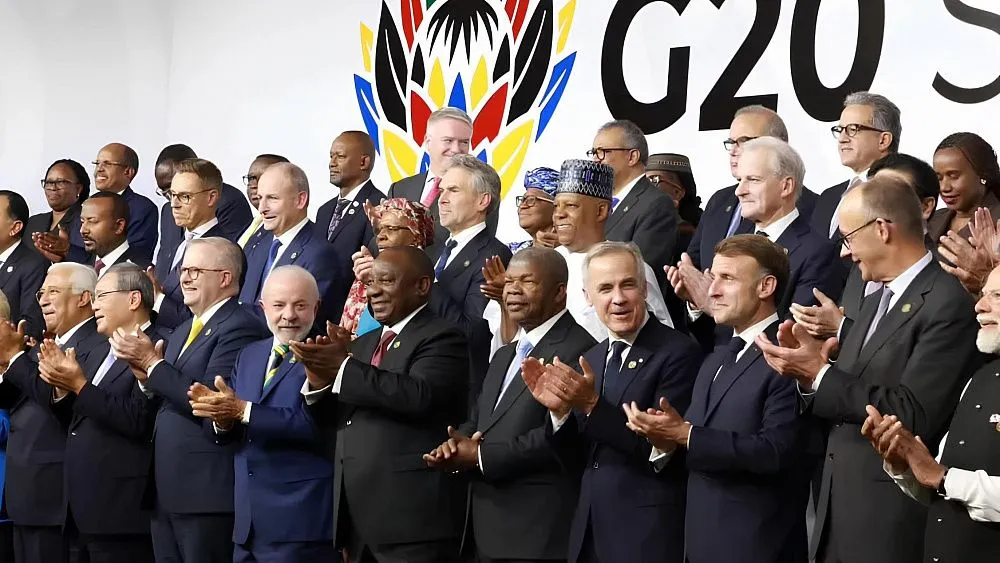
The leaders of G20 member states concluded the 2025 Johannesburg Summit with a joint set of commitments aimed at strengthening global resilience, advancing a fair and inclusive future, and placing the priorities of the Global South at the center of international economic cooperation, according to the official website of the South African Government.
South African President Cyril Ramaphosa said that the progress achieved during the summit built directly on the work of previous presidencies, particularly Indonesia, India, and Brazil, whose consecutive leadership helped shape a more development-oriented G20 agenda over the past three years.
Ramaphosa stated:
“South Africa has used this Presidency to place the priorities of Africa and the Global South firmly at the heart of the G20 agenda,”
adding that the outcomes were possible because “building on the developmental agenda of previous Presidencies in Indonesia, India and Brazil, we have prioritised the issues that matter most to developing economies.”
He described the Leaders’ Declaration as “more than words,” emphasizing that it represents a concrete collective commitment to improving living conditions globally and demonstrates that the G20 remains capable of coordinated action on shared challenges.
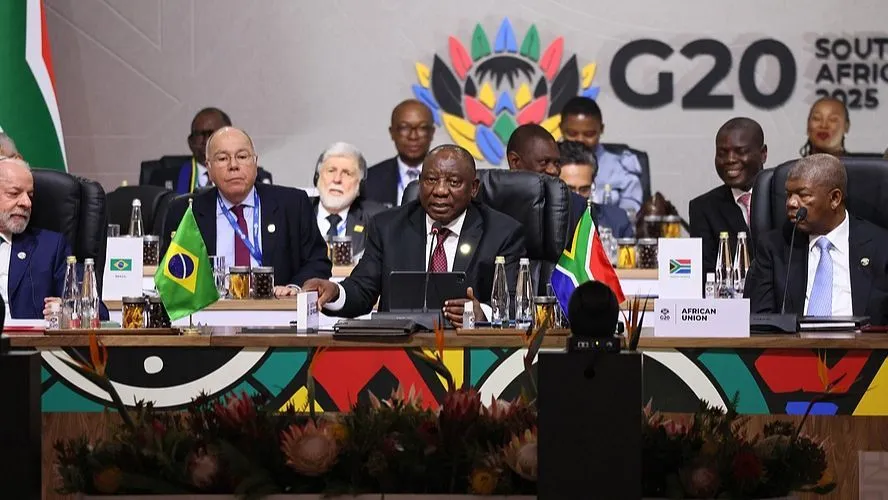
Key Outcomes of the Johannesburg Summit
The final session, titled “A Fair and a Just Future for All,” focused on coordinated actions in areas including critical minerals, decent work, and artificial intelligence. It also formalized policy recommendations developed under South Africa’s presidency.
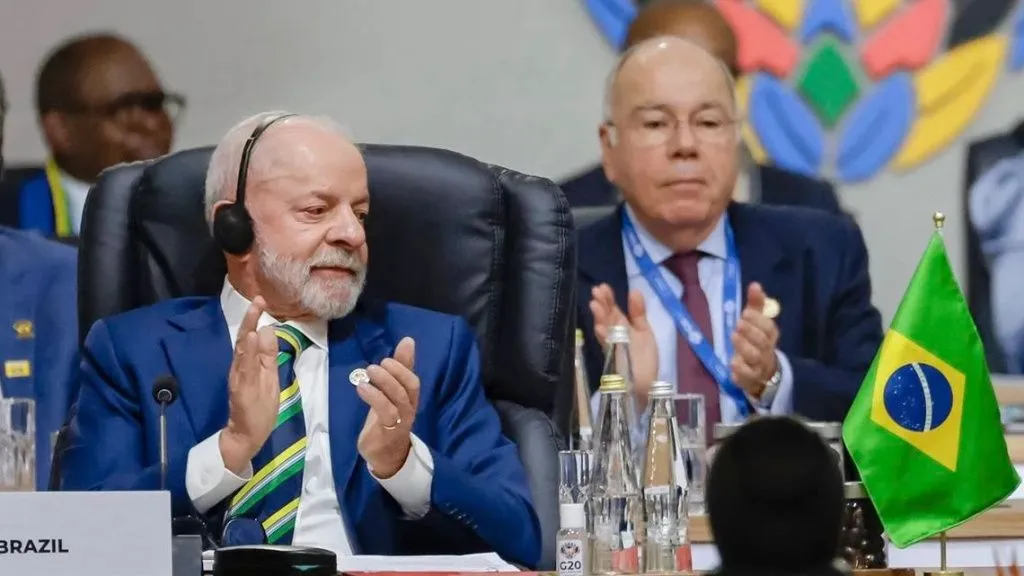
Brazil emphasized that critical minerals should function as drivers of technological development and industrial sovereignty, arguing that resource-rich countries should not remain limited to exporting raw materials. Brazilian President Luiz Inácio Lula da Silva highlighted that the governance of critical minerals, artificial intelligence, and the future of work will play a defining role in shaping global prosperity, and called for international frameworks to protect workers’ rights amid technological transformation.
India supported this direction, emphasizing the importance of human-centered artificial intelligence, equitable access to computing infrastructure, and large-scale digital skills development. Prime Minister Narendra Modi reiterated India’s proposal for a global AI compact focused on transparency, safety-by-design, and inclusive growth. He also confirmed that India will host an AI Impact Summit in early 2026, linking technological development with broader goals of sustainable and inclusive prosperity.
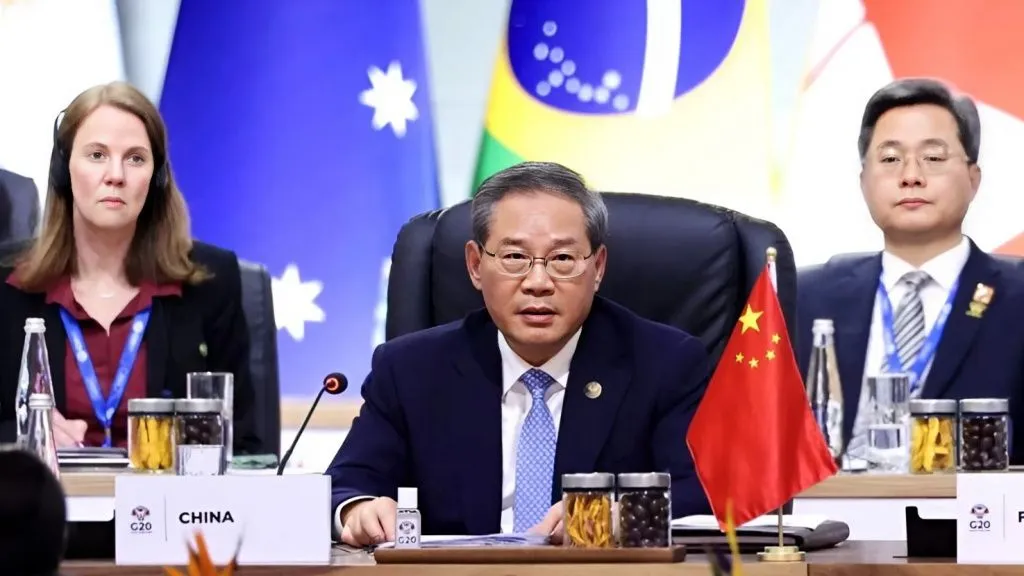
China highlighted the interconnected nature of global challenges, including climate change, energy security, and food insecurity. Premier Li Qiang called for stronger international cooperation, faster implementation of climate and biodiversity agreements, expanded green energy partnerships, and enhanced support for countries facing food shortages.
According to Xinhua News Agency, China also reaffirmed its commitment to responsible AI governance, expanded cooperation in critical minerals, and increased development assistance to countries in the Global South, particularly in Africa.
Indonesia stressed the importance of AI governance and critical mineral security as essential pillars of equitable technological and economic transformation. Vice President Gibran Rakabuming Raka said these issues are central to Indonesia’s priorities in global discussions.
South African Deputy Government Spokesperson William Baloyi stated that South Africa viewed its G20 presidency as representing not only national interests but also those of the African continent and broader developing world. He emphasized that sustainability, critical minerals, and equitable development were deliberately placed at the core of the summit agenda.
He said:
“We are looking at making sure that the developed, underdeveloped and economy-struggling countries are also given a space for improvement to improve the lives of the people.”
Collective Commitments
The G20 collectively agreed to:
- Expand support for low- and middle-income countries
- Increase climate finance and strengthen multilateral development banks
- Promote transparent and responsible cooperation on critical minerals
- Advance decent work standards amid rapid technological change
- Develop international norms for trustworthy and safe artificial intelligence
- Strengthen energy security and universal access
- Support sustainable development and reaffirm commitment to the UN 2030 Agenda
The final declaration reaffirmed a shared commitment to addressing global inequality, accelerating climate action, and ensuring that technological transformation benefits all countries, particularly those in the developing world.







Comments are closed