
The Road to Miami
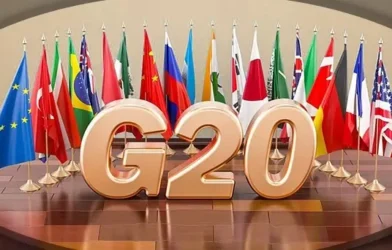
When leaders of the world’s largest economies gather in Miami on 14–15 December 2026 for the G20 Leaders’ Summit, the war in Ukraine will have entered its fifth year. Unlike previous G20 summits, the Miami meeting may become more than an economic forum. It could emerge as one of the most significant diplomatic opportunities for advancing negotiations between Ukraine and Russia since the full-scale invasion began in 2022.
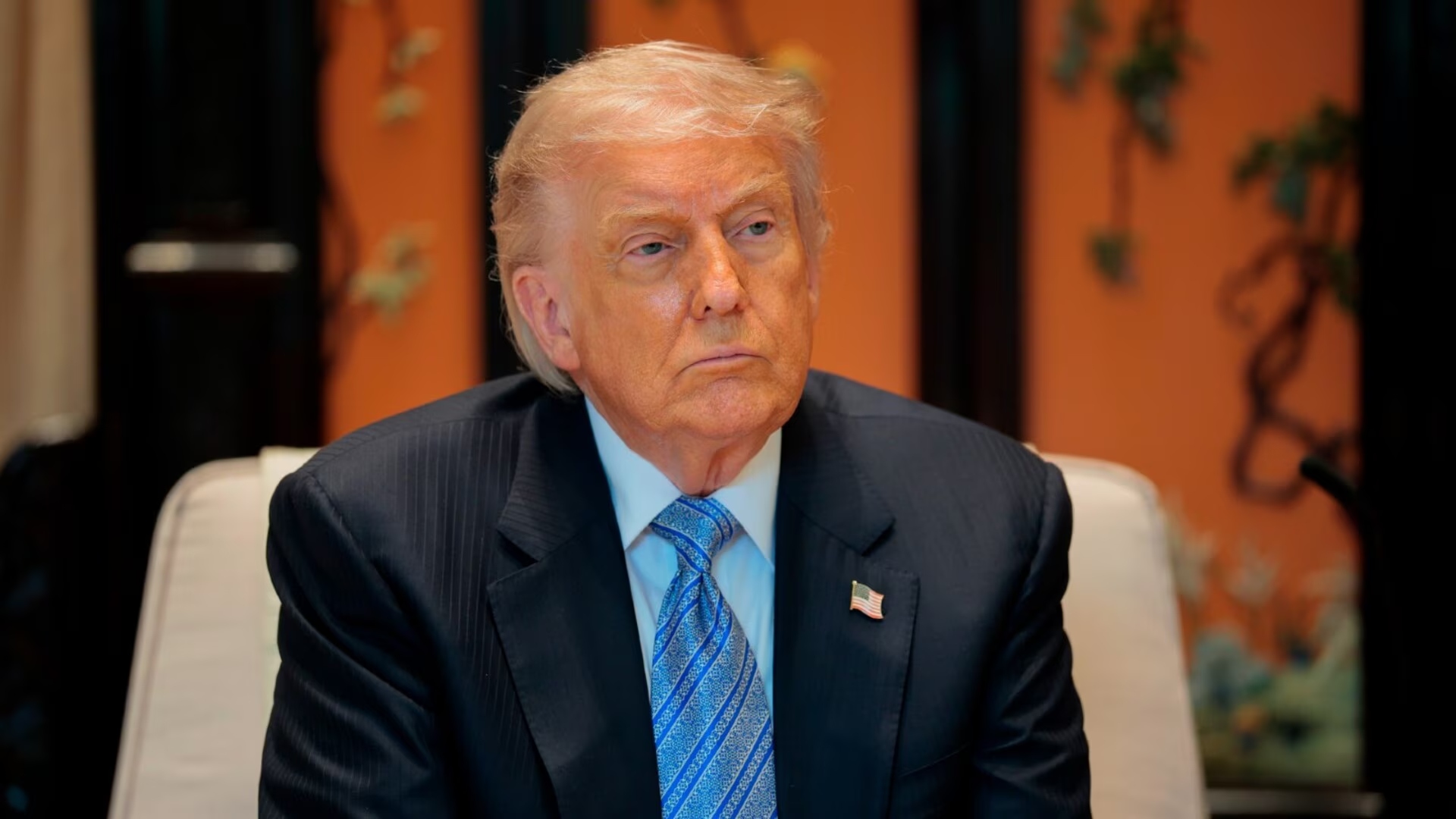
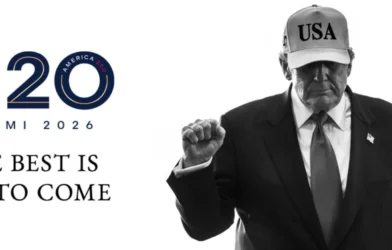
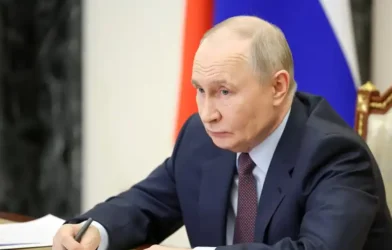
Several developments have elevated expectations. The United States, which assumed the G20 presidency on 1 December 2025, has made clear that it intends to reshape the forum around economic growth, energy security, technological innovation, and geopolitical pragmatism. President Donald Trump has repeatedly stated that ending the war in Ukraine remains one of his major foreign policy objectives. At the same time, Russia has received an invitation to participate in the summit, and the Kremlin has confirmed that Vladimir Putin may attend in person, although no final decision has yet been made.
The possibility that Donald Trump, Volodymyr Zelenskyy, and Vladimir Putin could all be present in Miami has transformed the summit into a potential diplomatic platform unlike any seen in recent years.
Why Miami Could Matter
Historically, the G20 was created to coordinate responses to economic crises. However, major geopolitical conflicts have increasingly shaped its agenda. The 2025 Johannesburg Summit demonstrated that the G20 remains one of the few forums where Western powers, Russia, China, India, Brazil, and emerging economies continue to meet under a single framework. Despite deep divisions, leaders in Johannesburg succeeded in adopting a joint declaration covering development, climate, debt sustainability, artificial intelligence, food security, and international cooperation.
Although Ukraine was not the dominant topic in Johannesburg, the summit highlighted an important reality: no alternative global institution brings together all major powers capable of influencing the conflict.
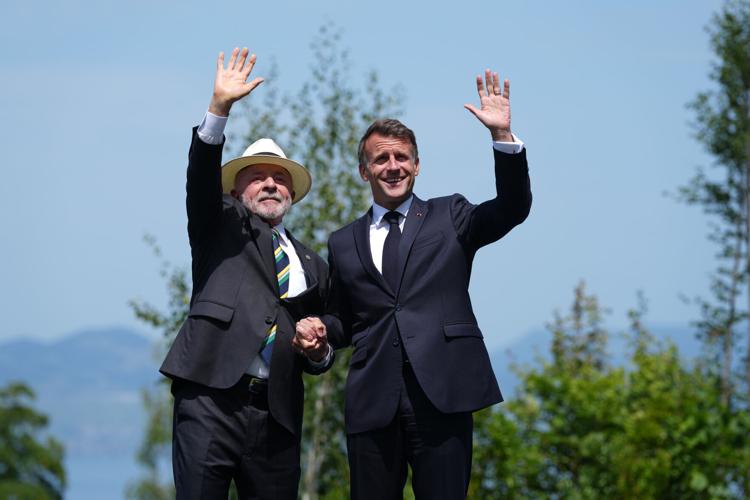
For this reason, Miami may offer a unique opportunity. Unlike NATO, the European Union, or the United Nations Security Council, the G20 includes countries that maintain relations with both Kyiv and Moscow. China, India, Brazil, Saudi Arabia, Türkiye, and South Africa all retain communication channels with both sides and could potentially play constructive diplomatic roles.
Trump’s Emerging Diplomatic Strategy
Recent statements by President Trump suggest a more direct approach toward mediation. During the 2026 G7 Summit in France, Trump confirmed that he had spoken with both Zelenskyy and Putin and expressed optimism that a negotiated settlement remains possible. He also indicated a willingness to host talks between the two leaders in the United States.
European leaders have openly encouraged Washington to facilitate direct negotiations. French, German, and British officials reportedly see the United States as the only actor capable of bringing both leaders to the same table under current circumstances.
Trump’s approach differs significantly from that of previous Western administrations. Rather than emphasizing military pressure alone, his strategy appears focused on personal diplomacy, direct engagement with adversaries, and transactional bargaining. Supporters argue that such an approach could break the diplomatic deadlock that has characterized the conflict. Critics, however, fear that it could pressure Ukraine into making concessions without obtaining sufficient security guarantees.
Ukraine’s Position
Ukraine enters the Miami summit from a position that remains complex. President Zelenskyy has repeatedly stated that any peace agreement must preserve Ukraine’s sovereignty and territorial integrity. At the same time, Kyiv recognizes that diplomatic opportunities cannot be ignored.
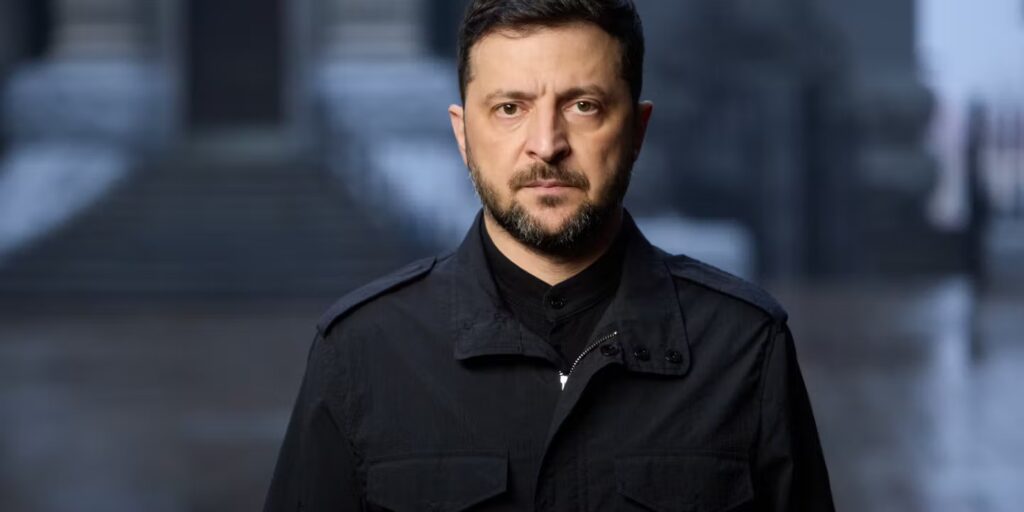
In June 2026, Zelenskyy publicly revealed that he had proposed a direct meeting with Putin either during the G7 Summit or in the United States. The proposal was communicated to American and European leaders, indicating that Kyiv remains open to negotiations if meaningful conditions exist.
Ukraine’s primary objectives remain consistent:
- A ceasefire that can be monitored and enforced.
- Security guarantees from international partners.
- The return of prisoners of war and deported civilians.
- Protection of Ukrainian sovereignty.
- Long-term reconstruction and economic support.
Whether these objectives can be reconciled with Russian demands remains uncertain.
Russia’s Calculations
For Moscow, the Miami summit presents both opportunities and risks.
On one hand, attendance by Vladimir Putin would symbolize Russia’s continued status as a major global power despite years of sanctions and diplomatic isolation. The Kremlin has repeatedly emphasized that the G20 remains one of the most important international forums and has welcomed the invitation from the United States.
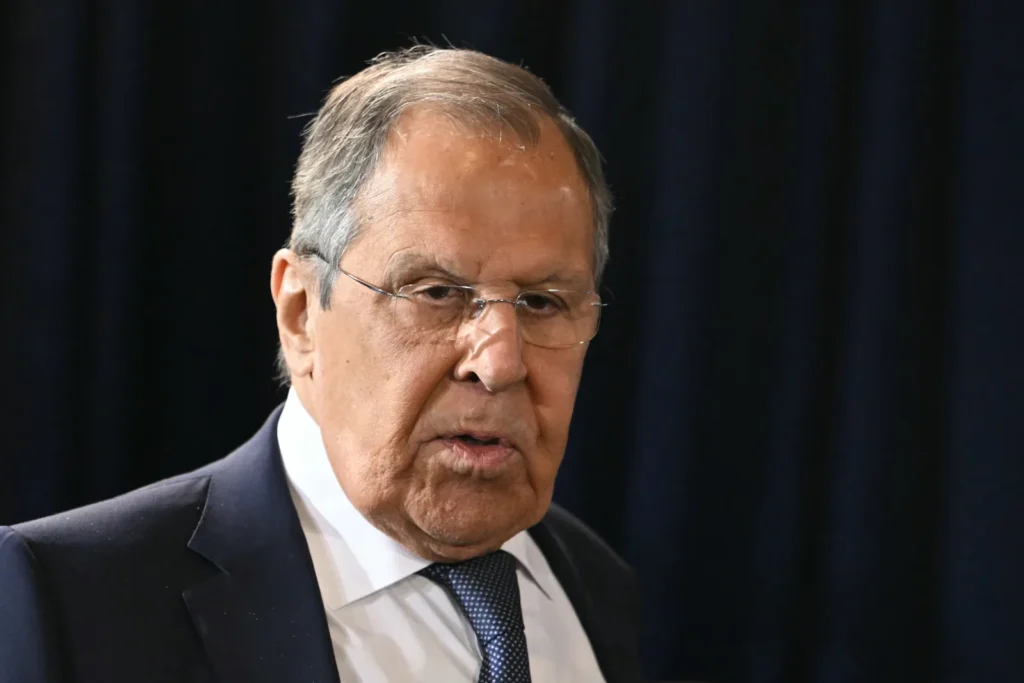
On the other hand, participation would place Putin under intense international scrutiny and potentially expose Russia to coordinated diplomatic pressure from multiple world leaders simultaneously.
The Kremlin has not committed to attendance. Officials have stated that the format of Russia’s participation will be determined closer to the summit.
If Putin does attend, the likelihood of informal meetings, side negotiations, and behind-the-scenes diplomacy would increase substantially.
The Global South Factor
One of the most important developments in recent years has been the growing influence of the Global South within the G20.
The consecutive presidencies of Indonesia, India, Brazil, and South Africa shifted the forum toward issues such as development, inequality, debt relief, climate finance, and economic inclusion. Johannesburg’s final declaration reinforced these priorities and emphasized multilateral cooperation as the preferred path for addressing global crises.
Countries such as India, Brazil, Saudi Arabia, and Türkiye have sought to maintain dialogue with both Russia and Ukraine throughout the conflict. These states could become critical intermediaries if formal negotiations begin.
Unlike Western governments, many Global South countries are viewed in Moscow as relatively neutral actors. Simultaneously, they maintain productive relations with Kyiv and support Ukrainian reconstruction efforts.
Their involvement may prove essential in designing a peace framework acceptable to a broader international audience.
Obstacles to Success
Despite the opportunities, major obstacles remain.
First, the battlefield situation continues to evolve. Neither side currently appears willing to abandon its fundamental objectives. Military developments between now and December could either encourage compromise or harden positions further.
Second, the G20 itself is increasingly divided. The transition from South Africa’s development-focused presidency to the United States’ more narrowly focused agenda has already generated tensions among member states. Disputes over climate policy, trade, development financing, and representation may complicate efforts to build consensus on Ukraine.
Third, questions remain about participation. Diplomatic controversies involving South Africa, Poland, and other countries have raised concerns about the cohesion of the forum itself. If major members choose to boycott or downgrade representation, the summit’s political impact could be reduced.
Finally, personal diplomacy can only go so far. Even if Trump succeeds in bringing Zelenskyy and Putin into the same room, substantive negotiations would still require detailed agreements on territory, security guarantees, sanctions, reconstruction funding, and post-war political arrangements.
Possible Outcomes
Several scenarios are possible.
The most optimistic scenario would involve a direct meeting between Trump, Zelenskyy, and Putin leading to agreement on a structured peace process. Such an outcome would not end the war immediately but could establish a roadmap toward a ceasefire and eventual settlement.
A more realistic scenario is the launch of preliminary negotiations accompanied by confidence-building measures, humanitarian exchanges, and expanded diplomatic engagement.
A third possibility is that Miami serves primarily as a symbolic venue where leaders reaffirm positions without making substantial progress.
Finally, there remains the risk that geopolitical disputes overshadow Ukraine entirely, preventing meaningful diplomatic breakthroughs.
Conclusion
The 2026 G20 Summit in Miami may become one of the most consequential diplomatic gatherings since the beginning of the war in Ukraine. The potential presence of Donald Trump, Volodymyr Zelenskyy, and Vladimir Putin, combined with growing international pressure for negotiations, creates an opportunity that did not exist at previous summits.
However, opportunity should not be confused with certainty. The structural causes of the conflict remain unresolved, trust between the parties remains extremely low, and geopolitical rivalries continue to complicate diplomacy.
The most likely outcome is not a comprehensive peace agreement but rather the opening of a new diplomatic phase. Whether that phase ultimately leads to a ceasefire, a negotiated settlement, or simply another round of failed talks will depend not on the summit itself, but on the willingness of all parties to make difficult political choices after the cameras leave Miami.
For now, Miami represents perhaps the best chance in 2026 for the world’s major powers to test whether diplomacy can begin to catch up with the realities of war.




Comments are closed