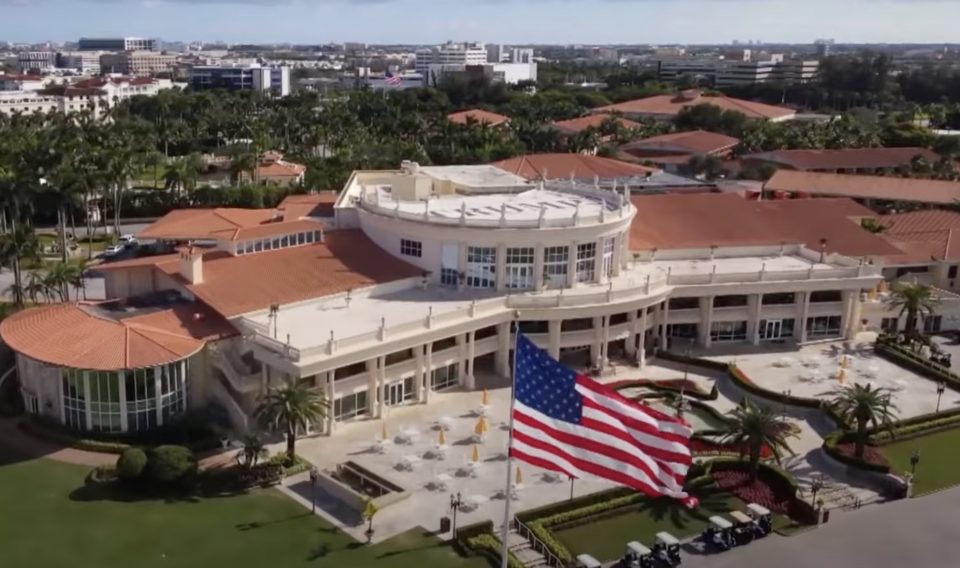
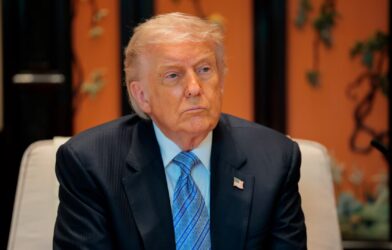
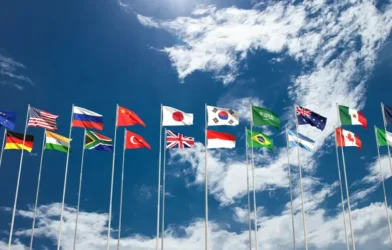
Just nine months from now, President Donald Trump will host a major summit of the world’s leading industrial and emerging economies at his Trump National Doral Miami resort. The United States has not hosted the Group of 20 (G20) since 2008, during the height of the global financial crisis, and the event will provide Trump with a high-profile platform to promote his policy agenda internationally.
The question, however, is whether the summit will deliver unity—or descend into confrontation.
There are already significant reasons for concern. Given President Trump’s well-known skepticism toward established G20 practices and priorities, it is uncertain whether the assembled leaders—including 19 countries, the European Union, and the African Union—will be able to maintain cohesion or instead fall into open disagreement, particularly so soon after the U.S. congressional elections.
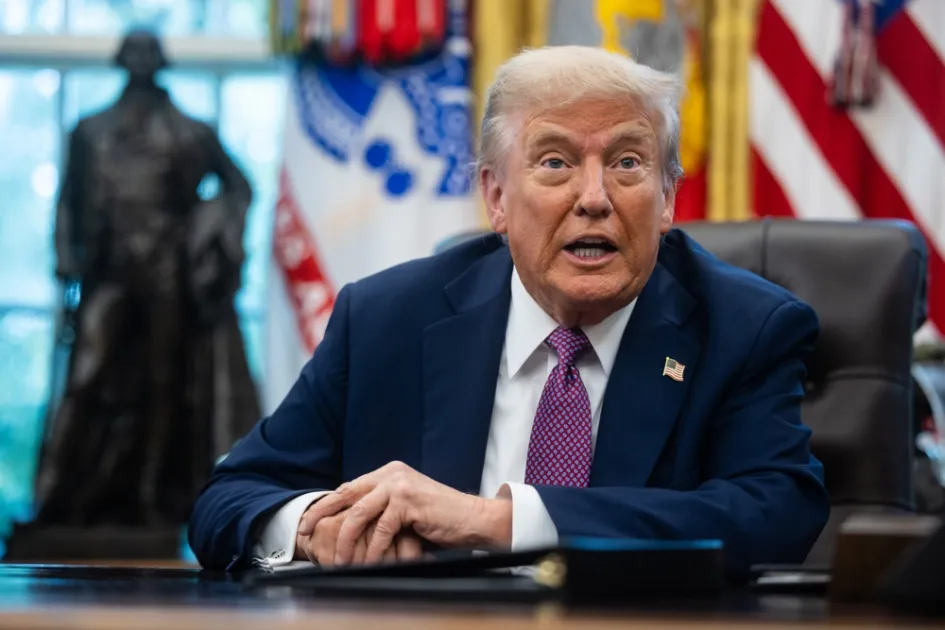
Critics argue that Trump has repeatedly expressed frustration with key elements of the G20 system. Among the most frequently cited points are:
- The decision to bar U.S. participation in the 2025 Johannesburg summit due to South Africa’s “Solidarity, Equality, Sustainability” theme, which aligned with recent Global South presidencies that emphasized development-focused priorities.
- The reported disinvitation of South African President Cyril Ramaphosa from the 2026 Miami summit, which disrupts the traditional “troika” system designed to ensure continuity between past, present, and future G20 hosts.
- A rejection of long-standing G20 themes such as climate change, multilateral trade cooperation, international tax coordination, anti-corruption efforts, and gender equality initiatives, all of which have featured prominently in prior summits and official review documents such as the G20@20 assessment.
At the same time, Trump has advanced alternative diplomatic frameworks, including a separate initiative known as the Board of Peace, which includes countries such as Argentina, Indonesia, Saudi Arabia, and Türkiye. Observers argue that such parallel structures may reduce the centrality of the G20 in global economic coordination.
Beyond U.S. policy shifts, the broader geopolitical environment is also unstable. The war in Ukraine is expected to continue into 2026, tensions between the United States and Iran remain unresolved, and multiple regional conflicts across Africa and Asia continue to create instability. While these crises are not always formally on the G20 agenda, they inevitably influence relations among member states.
Additional uncertainty comes from the role of external engagement groups that have traditionally contributed to G20 dialogue. The B20 (business sector) and T20 (think tanks) are expected to play a more limited role in 2026, reducing the breadth of input into the summit process.
Diplomatic friction among leaders could also shape the tone of the summit. Hypothetical encounters between figures such as Ukrainian President Volodymyr Zelensky and Russian President Vladimir Putin, or between Japanese Prime Minister Sanae Takaichi and Chinese President Xi Jinping, illustrate the potential for heightened tensions in a highly polarized environment.

The previous summit in Johannesburg in 2025 already reflected a fragmented global landscape. It proceeded without participation from the United States and also saw the absence of several major heads of state, including leaders from China, Russia, Indonesia, Saudi Arabia, Mexico, Argentina, and Nigeria. Despite this, participating members succeeded in agreeing on a 122-paragraph leaders’ declaration addressing issues such as disaster response, debt relief, energy access, critical minerals, inclusive growth, artificial intelligence, and other global challenges.
To implement its outcomes, South Africa established three major task forces covering inclusive growth and employment, food security, and artificial intelligence and digital governance. However, many of these initiatives remain in early stages, with concrete policy results yet to be fully developed.
Separately, Brazil, South Africa, and Spain supported the creation of an International Panel on Inequality modeled on the Intergovernmental Panel on Climate Change, although this proposal did not receive broad international backing.
In contrast to the expansive Johannesburg agenda, the United States has indicated a far more limited focus for the Miami summit. A December 2025 statement from the U.S. State Department emphasized a return to what it described as the G20’s “core mission” of promoting economic growth and prosperity.
The proposed agenda prioritizes three main themes:
- Reducing regulatory burdens to unlock economic growth
- Strengthening affordable and secure energy supply chains
- Advancing new technologies and innovation
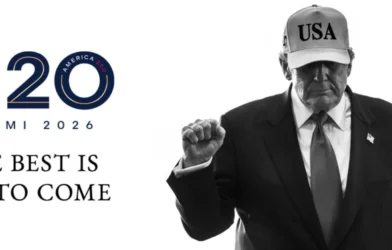
While these priorities align with domestic economic objectives, critics argue they do not fully reflect the broader global concerns that have shaped recent G20 summits, including climate change, sustainable development, and multilateral trade governance. The official U.S. G20 messaging further reinforces this shift with its slogan, “The Best is Yet to Come,” prominently displayed alongside imagery of President Trump.
U.S. Treasury Secretary Scott Bessent has also outlined a series of preparatory finance-track meetings for 2026, focusing on regulatory reform, global economic imbalances, debt transparency, debt restructuring processes, digital assets, cross-border payments, fraud prevention, and financial literacy.
Against this backdrop, key questions remain about the structure of any final Leaders’ Declaration. One possibility is that the United States will push for a streamlined document centered exclusively on its three core themes and associated financial priorities.
However, other G20 members—particularly those from the Global South—may instead advocate for a broader declaration addressing climate change, natural disasters, debt relief, multilateral trade, and sustainable investment. This could lead to competing drafts or parallel statements.
While many countries may attempt to accommodate U.S. priorities in the interest of consensus, there is also the possibility that diplomatic tolerance will reach its limit. In that scenario, divisions could become explicit, with alternative declarations emerging and consensus breaking down.
Whether the Miami summit becomes a demonstration of renewed focus or a stage for open disagreement will depend on whether the competing visions for the G20 can still be reconciled—or whether the forum’s internal tensions finally come to a head.




Comments are closed